
Headless commerce when a theme cannot tell your story
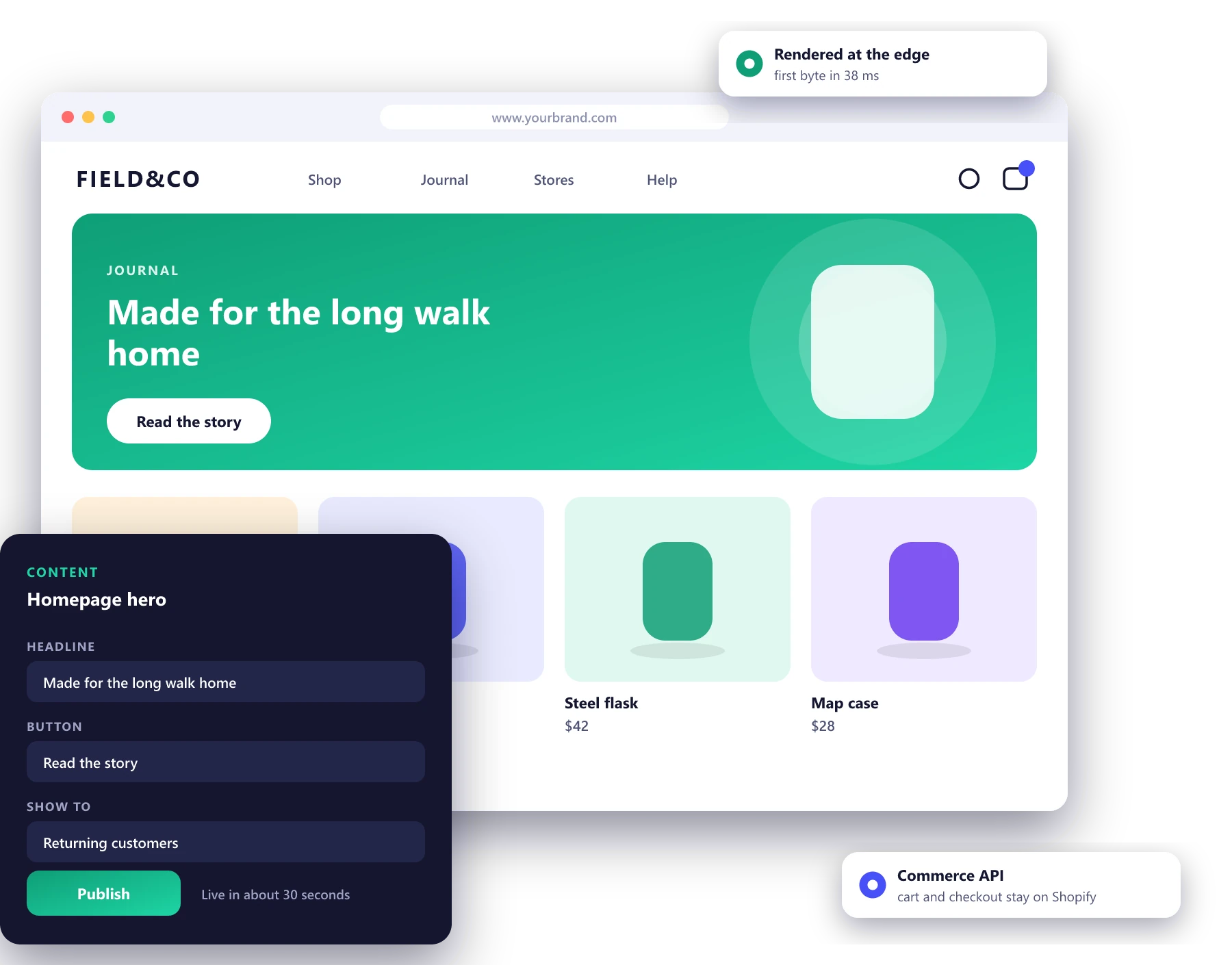
A headless build separates the storefront from the commerce engine, so design, content and speed are yours to control. It costs more to build and run, and we will tell you honestly whether you need it. Often a well-built Shopify Plus theme is the smarter call.
- Next.js or Hydrogen storefronts
- Content your team edits and previews
- An honest theme or headless recommendation
When headless is worth the extra cost
Headless solves specific problems. If you do not have one of these, the extra build and running cost buys you very little.
Content is part of the product
Editorial stories, lookbooks and guides that sit between products and need more freedom than theme sections give.
Many storefronts, one catalog
Several brands, regions or a B2B site that share products and content but look and behave differently.
Experiences a theme cannot do
Product configurators, custom bundles, account portals or an app and a website that share one backend.
Speed moves revenue
A large international audience where rendering at the edge makes pages noticeably faster in every market.
How a headless store fits together
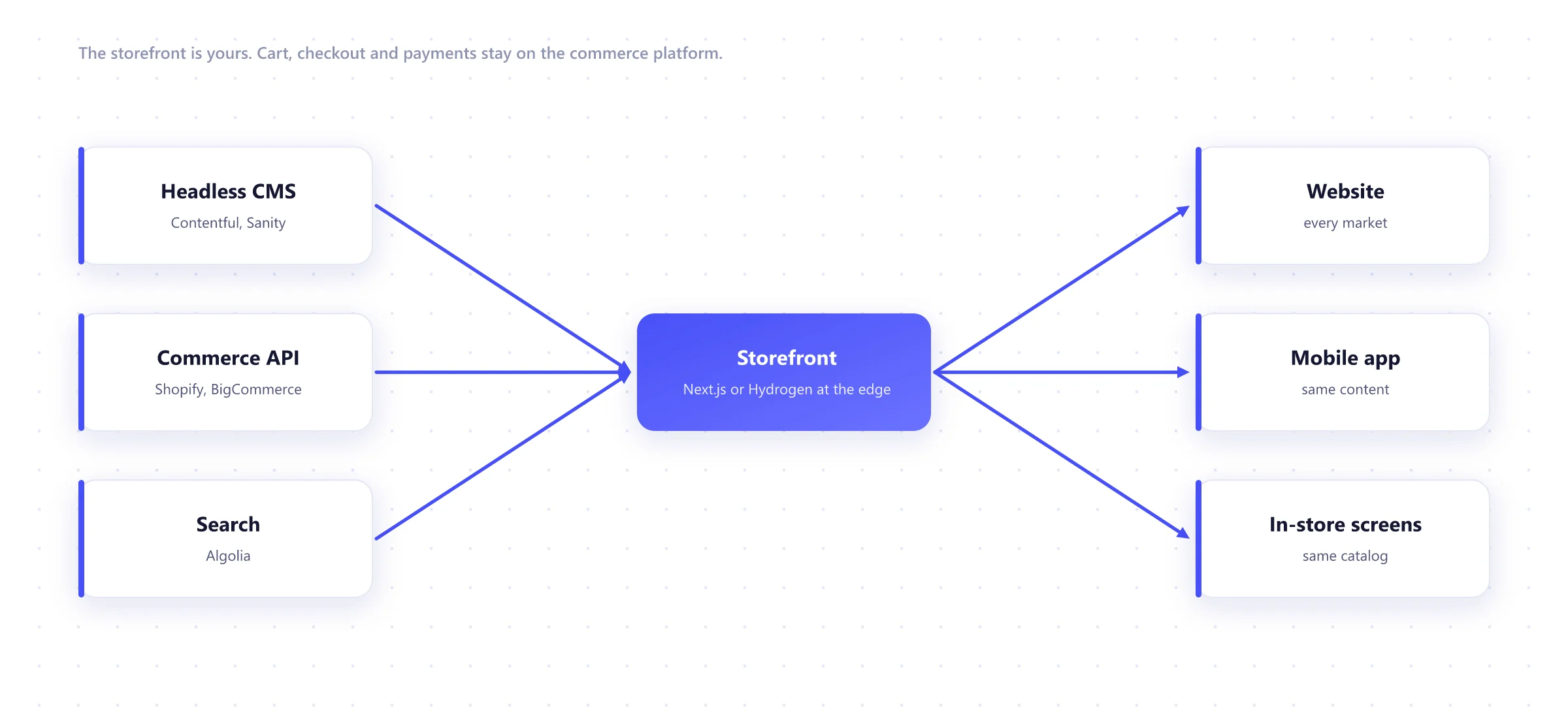
The storefront pulls content from the CMS, products and prices from the commerce API and results from search, then serves every channel from the same code.
A theme and a headless storefront, side by side
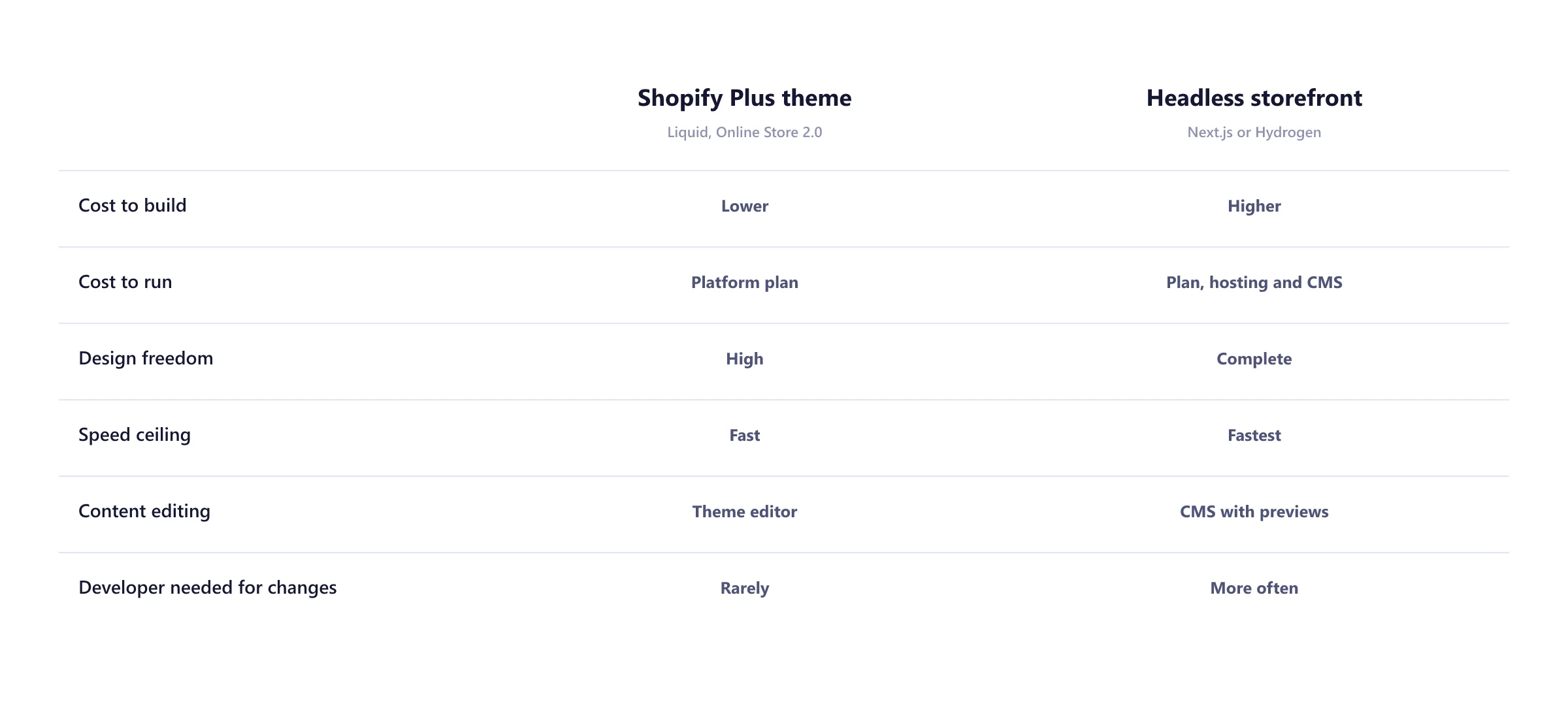
Headless wins on freedom and speed. A theme wins on cost and simplicity. We put the numbers for your store on both sides before you decide.
Headless without the big-bang launch
Discovery
2 to 4 weeksContent model, integrations, hosting plan and a cost comparison against a theme build.
Design system
3 to 5 weeksReusable page sections and components your editors will assemble pages from.
Storefront build
8 to 14 weeksServer-rendered pages, search, cart and account, with previews for editors.
Staged rollout
2 to 6 weeksContent pages first, then collections and products, with checkout on the platform throughout.
Run and improve
OngoingMonitoring, performance budgets and new sections as your team needs them.
Our headless stack
Storefront
- Next.js
- Hydrogen
- React
- TypeScript
Commerce
- Shopify Storefront API
- BigCommerce
- commercetools
Content
- Contentful
- Sanity
- Storyblok
Search
- Algolia
- Constructor
- Typesense
Hosting
- Vercel
- Shopify Oxygen
- Cloudflare
Quality
- Lighthouse CI
- Playwright
- Sentry
Headless commerce FAQ
What is headless commerce?
It separates the storefront customers see from the commerce engine that holds the catalog, cart and checkout. The storefront is a custom app, usually Next.js or Hydrogen, that talks to Shopify, BigCommerce or commercetools through their APIs, and pulls editorial content from a headless CMS.
Is headless better for SEO?
It can be, when pages are rendered on the server or at the edge and load quickly. A storefront that renders everything in the browser can do worse than a good theme. We build with server rendering, clean URLs and structured data from the start.
How much more does headless cost?
More to build and more to run. You pay for the storefront build, hosting, a CMS and developers to maintain it, on top of the commerce platform. Our comparison of Shopify Plus and headless commerce lays out both sides.
Hydrogen or Next.js?
Hydrogen is built for Shopify and deploys to Shopify Oxygen, which keeps things simple if Shopify is your only commerce engine. Next.js is the better choice for several backends, heavy content or a team that already knows it.
Can our marketing team still edit pages?
Yes. Content lives in a headless CMS such as Contentful, Sanity or Storyblok, with live previews, scheduled publishing and reusable page sections, so marketers can build pages without a developer.
Do we have to switch everything at once?
No. Many brands start with content pages or a single high-traffic section on the new storefront and keep cart and checkout on the platform. The rest moves over in stages.
Worth reading before you start
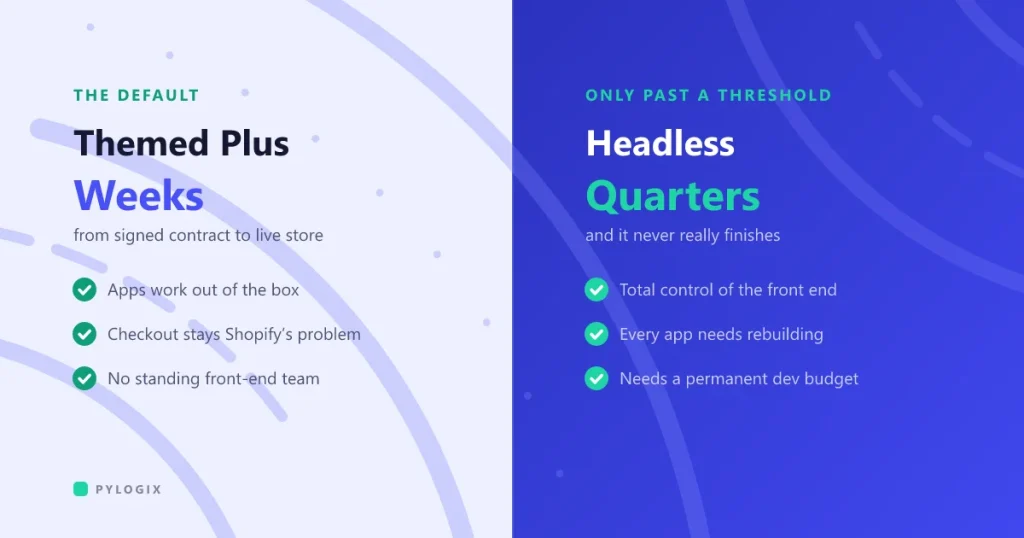 Shopify Plus or headless commerce
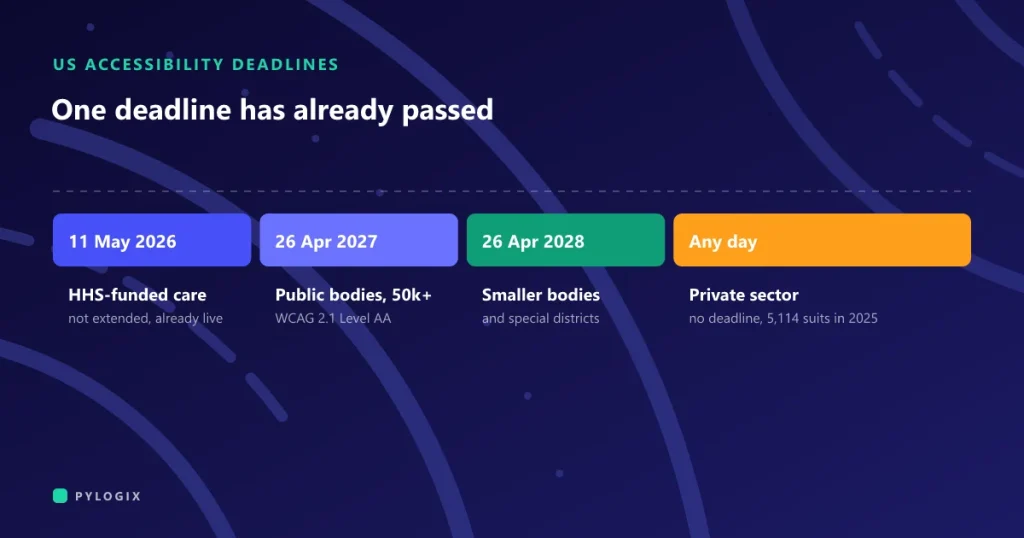 Web accessibility requirements
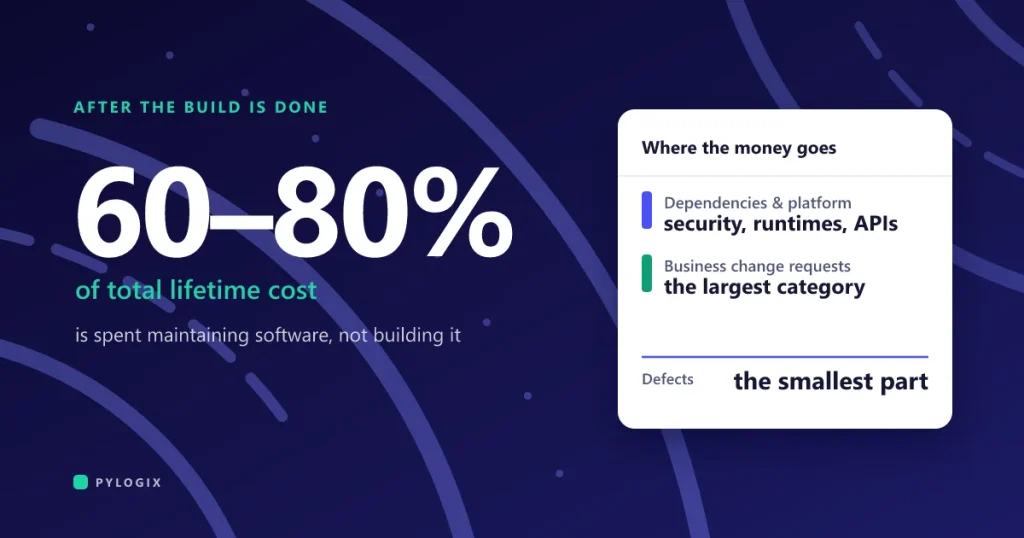 What software maintenance costs after launch
Not sure whether you need headless?
Tell us what your current store cannot do. We will tell you whether headless fixes it, or whether a better theme would do the job for less.